

Travel and Accommodation
How Is Transfer Organisation Handled During Treatment?
Learn how airport greeting and private city transfer coordination typically works.
LumiVita Editör EkibiApprox. 1 min
Read ArticleLumiVita provides professional travel and process coordination for international patients planning healthcare in Türkiye.
Practical priorities for building flight and stay plans that fit the treatment pace.

Flights and accommodation in health tourism are not only cost items; they are a framework that should fit the treatment pace. The cheapest option is not always the most suitable.
LumiVita coordinates organisational steps. We do not promise an exact post-procedure flight day; timing varies by person and clinical assessment.
Arrival and return windows should match the programme pace. A fixed “day number” for return flights is not appropriate; it is individual.
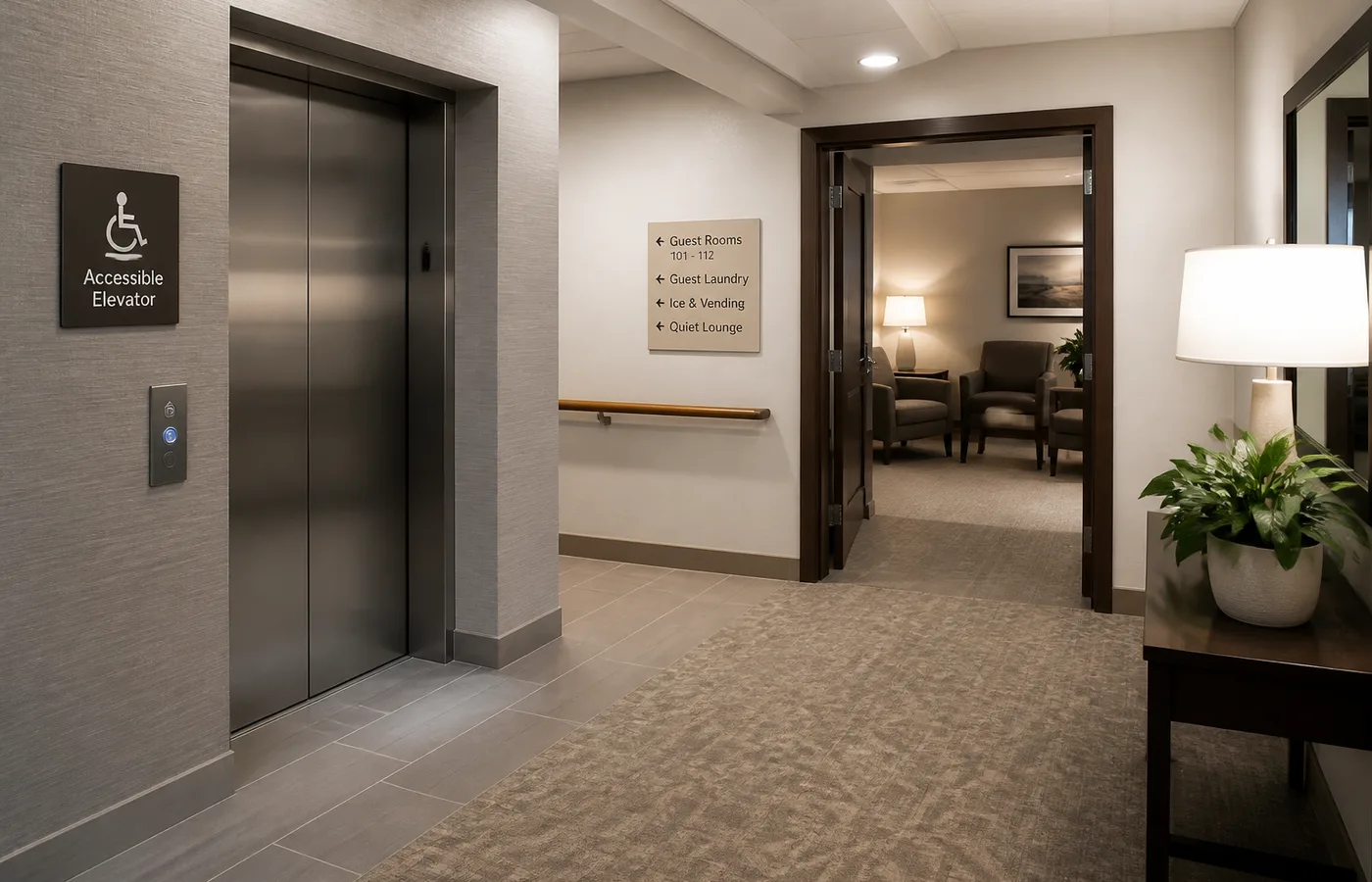
Comfort, quiet, and a clear contact line matter. Rest needs after a procedure vary by person.
Write via the form or contact. See health tourism, treatments, privacy policy, privacy notice, and explicit consent.
To keep the process manageable, write your questions down, save answers, and avoid rushed decisions. LumiVita is not a clinic or a doctor; our role is organisational coordination. Clinical decisions belong to licensed healthcare professionals.
Timing, lodging, and communication should not be planned in isolation. Context shared early helps later steps run more smoothly. Clear questions and transparent steps are safer than vague promises.
If a companion is travelling with you, share the schedule. A small document checklist (ID, travel details, previous summaries) reduces daily stress. When questions arise, ask promptly—short, specific questions are easier to answer quickly.
It is important not to expect exact prices, fixed durations, or outcome guarantees. A coordinator’s job is to make uncertainty more manageable, while clinical decisions remain with licensed specialists.
The most common uncertainty in planning is expecting everything to be clear in advance. In reality the process moves step by step: context is gathered first, options are reviewed next, and only then is a travel and lodging framework built. Forcing that sequence often creates unnecessary revisions.
A good coordination experience depends on questions being answerable and on your ability to follow the plan. Short summaries, date notes, and clear communication preferences make a real difference. LumiVita focuses on keeping that flow organised; it does not replace medical decisions.
During travel, rest needs, city mobility, and companion support vary by person. General guidance should be adapted to your situation. When something is unclear, do not delay the question—clarifying is usually safer.
Keeping a communication channel open after return is also part of the process. Knowing whom to contact for organisational questions reduces uncertainty. Medical advice remains the domain of licensed healthcare professionals.
This content is for general information purposes only and does not replace medical advice. Diagnosis, treatment, and suitability assessments must be made by qualified healthcare professionals.
Other posts on similar topics.
Learn how airport greeting and private city transfer coordination typically works.

A practical guide to documents, logistics, and official-source checks before travelling for healthcare.

A practical guide to completing the free assessment form and knowing what happens next.
Share your needs and expectations with the LumiVita team. Submit your enquiry to learn more about the process.