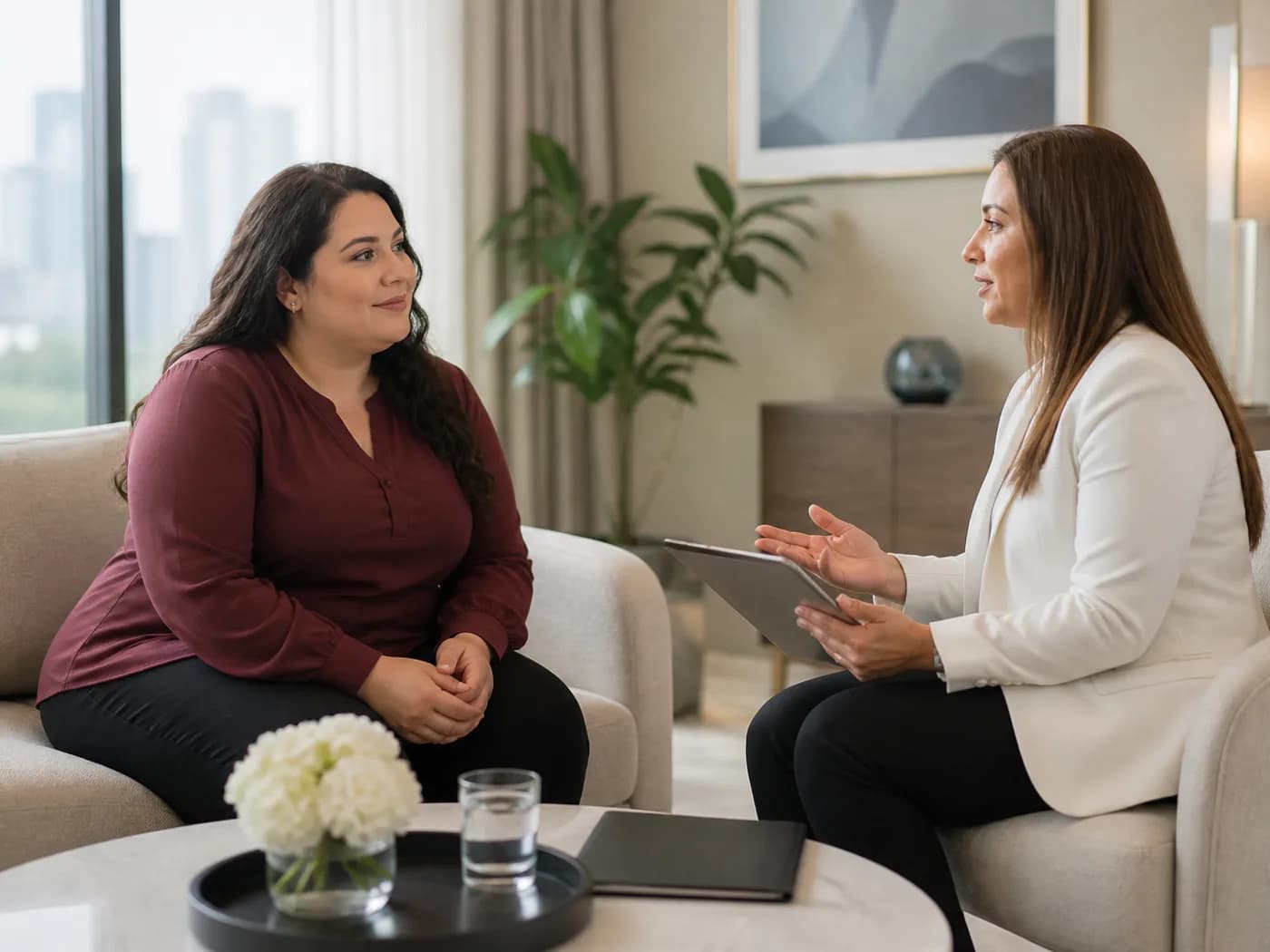
Why Obesity Is Treated as a Multifactorial Health Condition
In current thinking, obesity is described as a health condition that is not attributed to a single cause and that can follow a chronic course. Genetic predisposition, hormonal topics, some medicines in use, sleep patterns, living conditions and other accompanying health conditions can all influence the picture together. This is why an assessment is not made by looking at a single number.
That frame also rules out treating a person's health as a matter of personal success or failure. The language used on this page is deliberately neutral; the aim is to describe the process, not to place anyone in a category. You can review the other areas we cover on our treatments page.
Why Bariatric Surgery Is Not Described as Simply a Weight-Loss Procedure
Bariatric surgery is treated not as a stand-alone procedure but as a health process built together with what comes before and after it. Detailed medical assessment, nutritional preparation and information, mental health support where this is considered necessary, and long-term follow-up can all sit within that process.
Reading the subject purely as an operation therefore leaves out a great deal. The monitoring carried out along the way, which topics are discussed and how follow-up is structured all differ between individuals. This page offers only a general frame; it does not diagnose, propose a plan or replace an examination. LumiVita is not a clinic, a hospital or a physician.
Who Can Be Assessed Under This Heading?
Whether a person can be assessed under this heading is decided only by qualified health professionals. That decision is reached by considering medical history, existing diagnoses, medication in use, laboratory findings, a nutritional assessment, suitability from an anaesthesia point of view and the person's general health together.
It is not expected that everyone will be assessed under this heading, and an approach considered appropriate for one person does not carry the same meaning for another. No conclusion for or against suitability can be stated in this content for anyone; what is described here is simply which topics are discussed.
Is Body Mass Index a Deciding Measure on Its Own?
Body mass index is one of the calculations used often in clinical assessment. It is not expected, however, to settle a decision on its own. Muscle and fat distribution, accompanying health conditions, laboratory findings, a person's past medical history and the picture in daily life can also form part of the assessment.
For this reason it cannot be said that a particular number leads automatically to a particular outcome. Threshold values circulating online are general information and do not substitute for an individual assessment. Only the care team assessing you can explain which measures come to the foreground in your case.
Medical history and existing diagnoses
Diagnoses related to blood sugar, blood pressure, sleep-related complaints, cardiac and respiratory topics, hormonal assessments and medication in use are reviewed. Sharing this information in full directly affects the assessment.
Nutritional assessment
Meetings involving a dietitian, understanding the current pattern of eating and explaining the changes expected through the process are a common part of preparation.
Mental health support and counselling
Some programmes include an assessment or counselling from the mental health field. Its scope varies according to the clinic's protocol and the person's situation.
Daily routine and preparation instructions
Topics such as activity, sleep, smoking and alcohol use, together with instructions specific to the period beforehand, are discussed. Those instructions come only from the healthcare facility involved.

Which Method Names Are Generally Discussed?
The methods discussed in this field are not limited to a single heading. Sleeve gastrectomy, also referred to as the tube stomach, and gastric bypass are among the approaches named most often in general information texts. Beyond these there are other methods described under different names, and each has its own grounds for consideration, preparation topics and follow-up requirements.
Recognising the name of a method does not indicate that it suits your situation. This content does not compare methods, does not prefer one over another and offers no guidance on which approach suits whom. The detail of the methods can only be explained by the care team carrying out the assessment.
Who Decides Which Method Is Used?
The choice of method is a medical decision and is made only by the qualified surgeon and the care team assessing the person. It is reached by considering the person's health, accompanying diagnoses, laboratory findings, the nutritional assessment, suitability from an anaesthesia point of view and the conditions for long-term follow-up together.
LumiVita does not select physicians, recommend methods, compare techniques or express a view about suitability. Our area is keeping information and document sharing moving in an orderly way, together with travel and lodging organisation.
How Hospital Stay and the Early Period Are Planned
The length of a hospital stay cannot be tied to a single rule. The method used, the person's general health, monitoring findings in the first hours and the clinic's own protocol shape it together. No fixed number of days is therefore given here.
In the early period, movement, fluid intake, pain management and monitoring are carried out according to the facility's instructions. The content of those instructions is individual; general information read online does not substitute for them. If you notice anything that differs from what you were told to expect, you should contact the team involved.
Who Prepares the Nutrition Plan After Surgery?
The nutrition plan after surgery is prepared only by the dietitian and the medical team of the healthcare facility involved. A staged pattern is usually described: a beginning weighted towards fluids, then foods of a soft consistency, and a move to solid foods over time. The length and content of these stages differ according to the person and the method used.
Portion size, meal pattern, fluid intake and protein-related topics are also part of that plan. No sample eating programme can be given on this page; general content does not substitute for an individual plan, and only the team following your care prepares it.
Why Vitamin and Mineral Follow-Up Comes Up
Monitoring the levels of certain vitamins and minerals after bariatric surgery is a topic discussed often. Which values are monitored, how frequently, and whether supplementation is needed are determined according to the method used, laboratory findings and the person's health.
This follow-up may not be limited to a short period, and continuing it after you return home may be requested. Rather than using supplements on your own judgement, you are expected to receive the monitoring plan only from the care team following you. LumiVita produces no recommendation on this matter.
Why the Amount and Pace of Weight Change Differ Between People
The amount and pace of weight change seen afterwards differ considerably from person to person. The method used, the starting health picture, accompanying diagnoses, medication in use, how the nutrition plan is followed, activity patterns and participation in follow-up stages are among the reasons for that variation.
No figure, proportion or timetable can therefore be shared here. The process also calls for long-term monitoring; topics concerning nutrition and daily routine are expected to continue being discussed afterwards. Only the care team following you can share a prediction specific to an individual.
Where Long-Term Follow-Up and Support Sit in the Process
Follow-up is treated not as a detail added at the end but as part of the plan from the outset. Review appointments, laboratory monitoring, nutrition consultations and mental health support where this is considered necessary can be counted among its components.
Topics such as eating habits, body image, relationships with the people around you and rebuilding a daily routine are experienced differently by different people. Having a space in which those experiences can be discussed is regarded as important in many programmes. The scope of that support is determined by the healthcare facility involved.
How Stay, Return and Remote Communication Are Structured
The length of stay and when a return flight becomes appropriate are matters of medical assessment, and no general date can be given here. The timing of review appointments, when the first assessment takes place and the team's preferences about observation shape that plan.
This is where LumiVita works on aligning calendars: matching appointment dates with the travel programme, airport transfers, lodging arrangements, language support during meetings and continuing communication after you return home. You can read about how the wider process works on our health tourism page.
A General Note on Risks and Limits
Bariatric surgery is a surgical procedure and, as with any surgery, it carries possible risks. Bleeding, infection, anaesthesia-related situations, a course of healing that differs from what was expected, topics concerning nutrition and absorption, and pictures requiring further assessment can be counted among them.
How accompanying health conditions are affected by the process also varies between individuals and cannot be stated in advance. What these headings mean in your case can only be explained by the qualified care team assessing you. This content does not state any result in advance.
Where LumiVita's Role Begins and Ends
LumiVita does not examine, diagnose, prepare surgical plans, arrange eating programmes, select physicians or promise specific outcomes. Its remit is the organisational side: establishing first contact, passing on information shared by the healthcare facility, aligning appointment and travel calendars, airport transfers, lodging arrangements, language support during communication and continuing that communication after your return.
If you would like to start a conversation about the process, you can reach us through the free preliminary assessment form. Sharing information does not substitute for a decision on suitability.