
Orthopedic Treatments
Orthopedic treatments is the general name for assessments directed at the movement system made up of muscles, bones, joints, ligaments and tendons. This page does not describe a single operation or a single condition; it outlines the scope of the field, what an assessment covers, the role of rehabilitation and how accessible travel is planned.
- Multilingual communication
- Travel coordination
- Free pre-assessment

Overview
Which Field Do Orthopedic Treatments Cover?
Orthopedics is the general name for assessments directed at the movement system, which is made up of muscles, bones, joints, ligaments and tendons. That system plays a part in most of daily life, from carrying the body and walking to gripping an object and taking part in sport. For this reason the field looks not at a single organ but at many interrelated structures.
Because the scope is wide, the origins of orthopedic topics are varied as well. Situations arising after an accident, pictures associated with wear developing over time, structural differences present from birth, strains occurring during sport and tissue changes that come with age can all be discussed under this heading. Which picture is involved becomes clear only through an examination.
This is general information. It does not diagnose, propose a treatment plan or replace an examination, and LumiVita is not a clinic, a hospital or a physician. You can review the other areas we cover on our treatments page.
Why This Page Does Not Describe a Single Operation
Orthopedics is an umbrella heading. The assessment route for someone who gets in touch about the knee is not the same as for someone describing strain in the shoulder; even two different pictures involving the same region can be handled very differently. That is why no single method is described here.
The aim of this page is to show the scope of the field and how the process works in general terms. The regions and approaches mentioned below are examples only; none of them is a recommendation directed at you. Which heading can be discussed in your situation is decided only by the qualified physician who examines you.
What Can Lie Behind the Complaints?
Very different reasons can sit behind complaints involving the movement system. Situations arising after a fall or an impact, strains associated with repeated movements, changes described over time on joint surfaces, structural differences present from birth and injuries occurring during sport can be counted among them.
Because the same complaint can stem from different causes, interpreting it yourself is not reliable. Descriptions such as pain, swelling, restricted movement or weakness do not point to a diagnosis on their own. Telling them apart requires an examination, any imaging considered necessary and a functional assessment; the decision rests with the qualified physician alone.
What Is Reviewed During the Assessment?
The history of the complaint
When it began, whether it is linked to an event, which movements make it worse, the difference between day and night and how it has changed over time are each discussed separately.
Physical examination and movement assessment
The range of motion of the joint, muscle strength, posture, the way of walking and the condition of neighbouring regions are reviewed. This helps in understanding how the complaint affects daily life.
Imaging considered necessary
Examinations such as X-ray, ultrasound, magnetic resonance imaging or computed tomography may be requested. Which one, in what order and why is entirely a medical decision.
General health and medication
Chronic conditions, use of blood-thinning medication, allergy history, previous operations and anaesthesia-related assessments can directly affect planning.
Which Body Regions Are Discussed as General Headings?
Regions mentioned often in orthopedic assessments can be grouped in general terms as below. This list indicates scope; it carries no sign of who will be assessed under which group.
- Assessments directed at the shoulder and elbow region
- Topics involving the knee and hip joints
- Hand, wrist, foot and ankle assessments
- Assessments involving the spine
- Strains and injuries occurring during sport
- Situations requiring follow-up after a fracture or trauma
Assessing a complaint in one region can also cover neighbouring regions. An observation about the way of walking, for instance, may call for more than one joint to be examined together. Such relationships are established only during an examination.
Which Approaches Are Mentioned as General Examples?
The headings below are approaches generally mentioned in the orthopedic field. None of them is a recommendation for a particular complaint, and which can be discussed for a given person is determined only through clinical assessment.
- Closed joint methods referred to as arthroscopy
- Assessments discussed under the heading of joint replacement
- Repair approaches directed at ligaments and tendons
- Methods involving the follow-up and fixation of fractures
- Surgical headings involving the spine
- Physiotherapy and rehabilitation programmes
Mentioning these headings together does not mean they are alternatives to one another. In some situations none of them comes up; in others more than one may be discussed at different stages. How the decision is built belongs to the medical side.
Does Every Orthopedic Complaint Require Surgery?
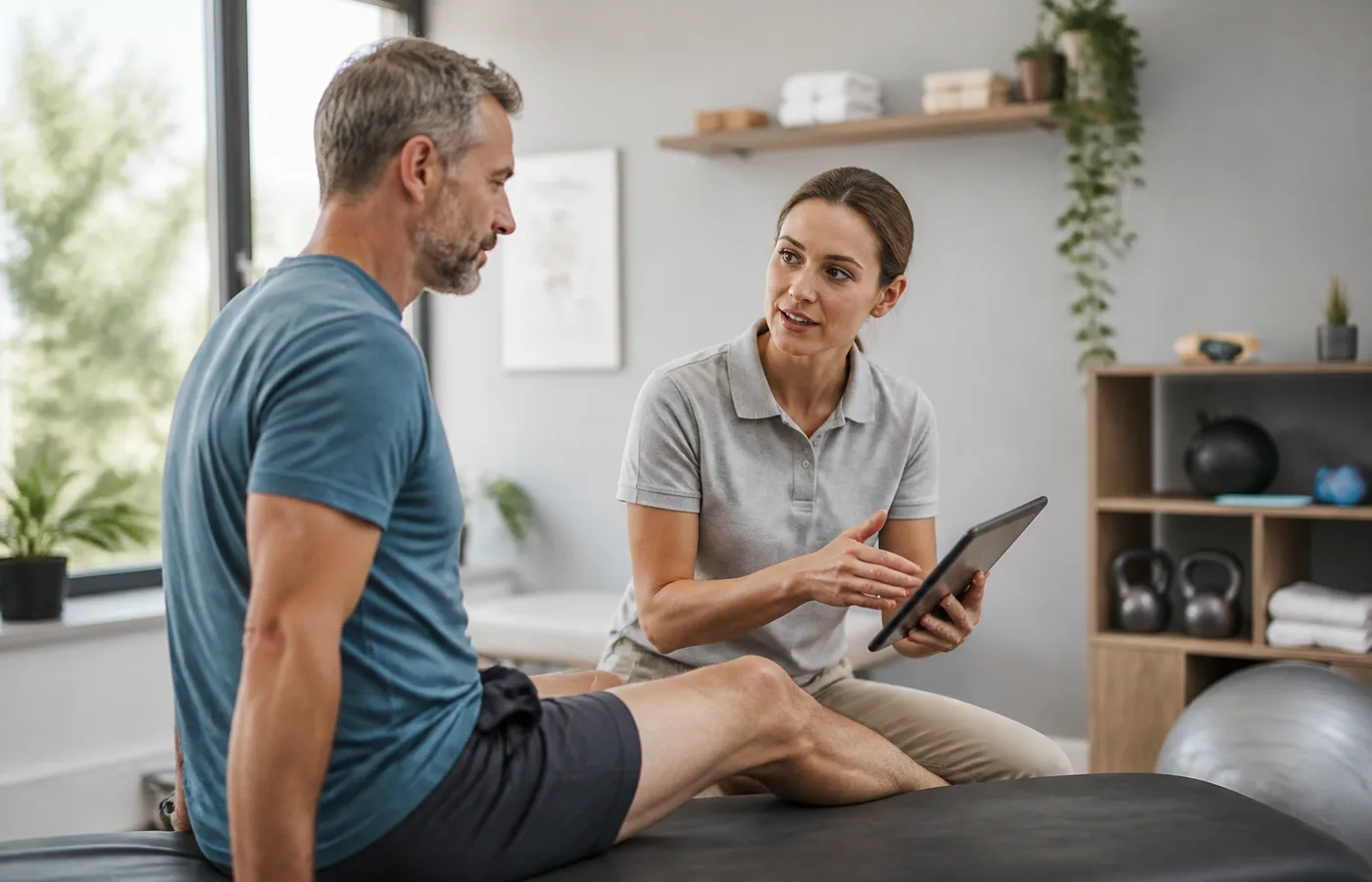
No. Not every picture involving the movement system turns into a surgical heading. It is generally described that in many situations non-surgical approaches are assessed first, followed up and reconsidered according to the result. Exercise programmes, physiotherapy, a review of movement habits and medication-related approaches can be discussed within that scope.
Whether a surgical heading comes up depends on the extent of the complaint, imaging findings, the functional assessment, general health and the outcome of earlier approaches. No such prediction for your situation can be shared on this page, and no definitive guidance about any method can be given.
Why Physiotherapy and Rehabilitation Form a Separate Heading
In processes involving the movement system, rehabilitation is often one of the parts of the plan that gets discussed. In some situations it sits at the centre of a non-surgical approach; in others it comes up when arranging the period after surgery. The scope, frequency and length of a programme are determined individually.
The content of these programmes is determined only by the healthcare facility involved and the qualified specialists. How follow-up continues after you return home is another topic that is useful to discuss in advance. LumiVita does not produce or interpret this content; it deals only with organising appointments and communication.
Why Accessibility Is Part of the Travel Plan
In a process involving the movement system, travel planning is not just a matter of choosing a flight and a hotel. Whether the lodging has stairs, whether there is a lift, how the bathroom is arranged, door widths and the route to the room can all become important.
Distances inside the airport, how easy it is to board the transfer vehicle, carrying luggage and reaching appointment locations are part of the plan in the same way. The extent of these needs varies between individuals; some people need no additional arrangement at all, while for others several topics are planned together.
How Is the Need for a Companion Assessed?
In some situations, having a companion alongside may come up. Whether that is needed, at which stage and to what extent it is discussed depends on the medical assessment and on a person's situation in daily life. No general rule can be given here.
Discussing such a need in advance makes the organisational side easier: lodging can be arranged accordingly, transfer vehicles can be planned for the number of people and the appointment programme can be adapted to a calendar for two. Whether that need exists is decided only by the medical side.
How Are Flights and Transfers Planned?
When a flight becomes appropriate, which arrangements may be needed during the flight and how the return date is set are matters of medical assessment. For this reason, planning the return ticket flexibly is an approach often preferred in practice.
This is where LumiVita organises airport transfers, the choice of vehicle, travel to appointment locations and transport arrangements throughout the stay. If a specific arrangement is needed during the flight, conveying that to the airline is also part of the organisational work. You can read about how the wider process works on our health tourism page.
What Affects the Length of Stay?
The length of stay cannot be tied to a single rule. The extent of the assessment, the timing of any imaging requested, the intervals between review appointments, how a rehabilitation programme is structured and the physician's preferences about observation all shape it.
For this reason no fixed number of days is given here. LumiVita works on aligning calendars: matching appointment dates with the travel programme, arranging the length of lodging accordingly, language support during meetings and keeping organisational communication going throughout the stay.
A General Note on Risks and Limits
Surgical procedures discussed under orthopedic headings carry possible risks, as any surgery does. Bleeding, infection, a course of healing that differs from what was expected, situations concerning range of motion that require assessment and anaesthesia-related topics can be counted among them.
What these headings mean in your case can be explained only by the qualified physician who examines you. How pain develops, how mobility changes, when a return to sport becomes possible and how long a procedure continues to serve its function vary between individuals. This content does not state any result in advance and does not promise specific outcomes.
Where LumiVita's Role Begins and Ends
LumiVita does not examine, diagnose, prepare surgical plans, recommend methods, select physicians or promise specific outcomes. Its remit is the organisational side: establishing first contact, passing on information shared by the healthcare facility, aligning appointment and travel calendars, reflecting accessibility needs in the travel plan, airport transfers, lodging arrangements, language support and continuing communication after you return home.
If you would like to start a conversation about the process, you can reach us through the free preliminary assessment form. You can also share specific accessibility needs through our contact page. Sharing information does not substitute for a decision on suitability.
Who May Be Suitable for This Treatment?
People who ask about orthopedic treatments usually describe situations such as these:
- Ongoing pain or restricted movement in a particular joint
- Complaints that appeared after an accident or a fall
- A strain thought to have occurred during sport
- A change noticed in the way of walking or in posture
- Having previously undergone an operation on the same region
- A long-standing situation that makes daily life harder
None of these situations amounts to suitability on its own, and none points to a particular method. Who can be assessed under which heading is determined by the qualified physician after an examination, any imaging considered necessary, a functional assessment and a review of general health. Chronic conditions, medication in use and whether expectations can be met clinically are also part of that assessment.
Key Benefits
The points people highlight while researching the process are usually the following:
- The extent of the complaint being addressed together with examination and imaging
- Non-surgical approaches also being part of the assessment
- The rehabilitation programme being discussed in advance
- Accessibility needs being reflected in the travel plan from the start
- Companion and transfer arrangements being planned together
- The stay programme being built around the medical calendar
These points do not apply equally to everyone and do not amount to a prediction about outcomes. Which approach suits a person depends on the result of the clinical assessment, and results vary from one individual to another.
Treatment Process
The general flow differs between healthcare facilities and between headings, but it mostly includes these steps:
- A first conversation in which the history of the complaint is shared
- Physical examination and movement assessment
- Requesting any imaging considered necessary
- A review of general health and medication in use
- Assessment of non-surgical approaches
- If considered necessary, discussion of a surgical heading and preparation steps
- Carrying out the procedure according to the clinic's protocol
- Arranging the rehabilitation programme and follow-up appointments
The order, number and spacing of the steps vary between individuals. All clinical decisions rest with the qualified physician; LumiVita deals only with appointment, travel, lodging, accessibility and communication organisation.
Recovery and Aftercare
The recovery period varies considerably according to the heading being discussed, the extent of the procedure and a person's general condition. For this reason no common timetable can be given here. Limits on movement, the use of supportive devices, how weight is placed on the region and how pain is managed are communicated only by the healthcare facility involved.
When a rehabilitation programme begins, how often it continues and how it is followed up after you return home are also medical decisions. No date can be given here for returning to work, driving or sport. If you notice anything that differs from what you were told to expect, you should contact the healthcare facility.
Recovery time and post-treatment recommendations may vary depending on your personal health condition and the method applied. Specific guidance is shared after a doctor's evaluation.
How Does LumiVita Support This Process?
LumiVita does not make medical decisions; information comes from healthcare institutions and the process may vary by person.
Application and Information Sharing
Your application is received securely and reviewed for process coordination.
Travel and Accommodation Coordination
Transfer and accommodation steps are coordinated according to your preferences.
Communication Throughout the Process
Communication support is provided during your stay in Türkiye.
Post-Return Communication Support
Communication support continues after your return.
Treatment suitability and medical decisions are determined by authorised healthcare professionals.
Frequently Asked Questions
We have gathered the questions asked most often about orthopedic treatments. The answers are general information; only a qualified physician can provide an individual assessment.
Orthopedics is the general name for assessments directed at the movement system made up of muscles, bones, joints, ligaments and tendons. Situations arising after an accident, pictures associated with wear developing over time, structural differences present from birth, strains occurring during sport and tissue changes that come with age can all be discussed under this heading. The shoulder, elbow, knee, hip, hand, foot and spine are frequently mentioned regions. Which heading applies in your situation is decided only by a qualified physician.
No. Not every picture involving the movement system turns into a surgical heading. It is generally described that in many situations non-surgical approaches are assessed first, followed up and reconsidered according to the result; exercise programmes, physiotherapy, a review of movement habits and medication-related approaches can be discussed within that scope. Whether a surgical heading comes up depends on the extent of the complaint, imaging findings, the functional assessment and general health. Only a qualified physician makes that decision.
In orthopedic assessments, examinations such as X-ray, ultrasound, magnetic resonance imaging or computed tomography may be requested. Which one, in what order and why is entirely a medical decision and varies according to the extent of the complaint, examination findings and the region being reviewed. In some situations none may be considered necessary; in others more than one may be requested together. If you hold records of imaging carried out previously, sharing them can make the assessment easier, but only a qualified physician decides which of them remains valid.
The length of a stay and of the process cannot be tied to a single rule. The extent of the assessment, the timing of any imaging requested, the intervals between review appointments, how a rehabilitation programme is structured and the physician's preferences about observation all shape it. As the heading being discussed changes, so does the timeframe; even two different pictures involving the same region can call for different calendars. For this reason no fixed number of days is given here. LumiVita works on aligning calendars; the information that sets the timeframe comes only from the medical side.
In processes involving the movement system, rehabilitation is often one of the parts of the plan that gets discussed. In some situations it sits at the centre of a non-surgical approach; in others it comes up when arranging the period after surgery. The scope, frequency and length of a programme are determined individually, and its content is set only by the healthcare facility involved and the qualified specialists. How follow-up continues after you return home is another topic worth discussing in advance. LumiVita does not produce this content; it only organises appointments and communication.
In some situations, having a companion alongside may come up. Whether that is needed, at which stage and to what extent it is discussed depends on the medical assessment and on a person's situation in daily life; no general rule can be given here. Discussing such a need in advance makes the organisational side easier: lodging can be arranged accordingly, transfer vehicles can be planned for the number of people and the appointment programme can be adapted to a calendar for two. The decision belongs to the medical side alone.
When a flight becomes appropriate, which arrangements may be needed during the flight and how the return date is set are matters of medical assessment. For this reason, planning the return ticket flexibly is an approach often preferred in practice. LumiVita organises airport transfers, the choice of vehicle, travel to appointment locations and transport arrangements throughout the stay; if a specific arrangement is needed during the flight, conveying that to the airline is also part of the organisational work. Only the medical side decides on suitability.
In a process involving the movement system, accessibility is part of the plan. Whether the lodging has stairs, whether there is a lift, how the bathroom is arranged, door widths and the route to the room can all become important. Distances inside the airport, how easy it is to board the transfer vehicle, carrying luggage and reaching appointment locations are planned within the same frame. LumiVita organises these arrangements and passes your needs on to the relevant parties, but which needs apply is established only through the medical assessment.
Get Information About This Treatment Area
Share your key details and the LumiVita team will contact you about process, travel and organisation steps.